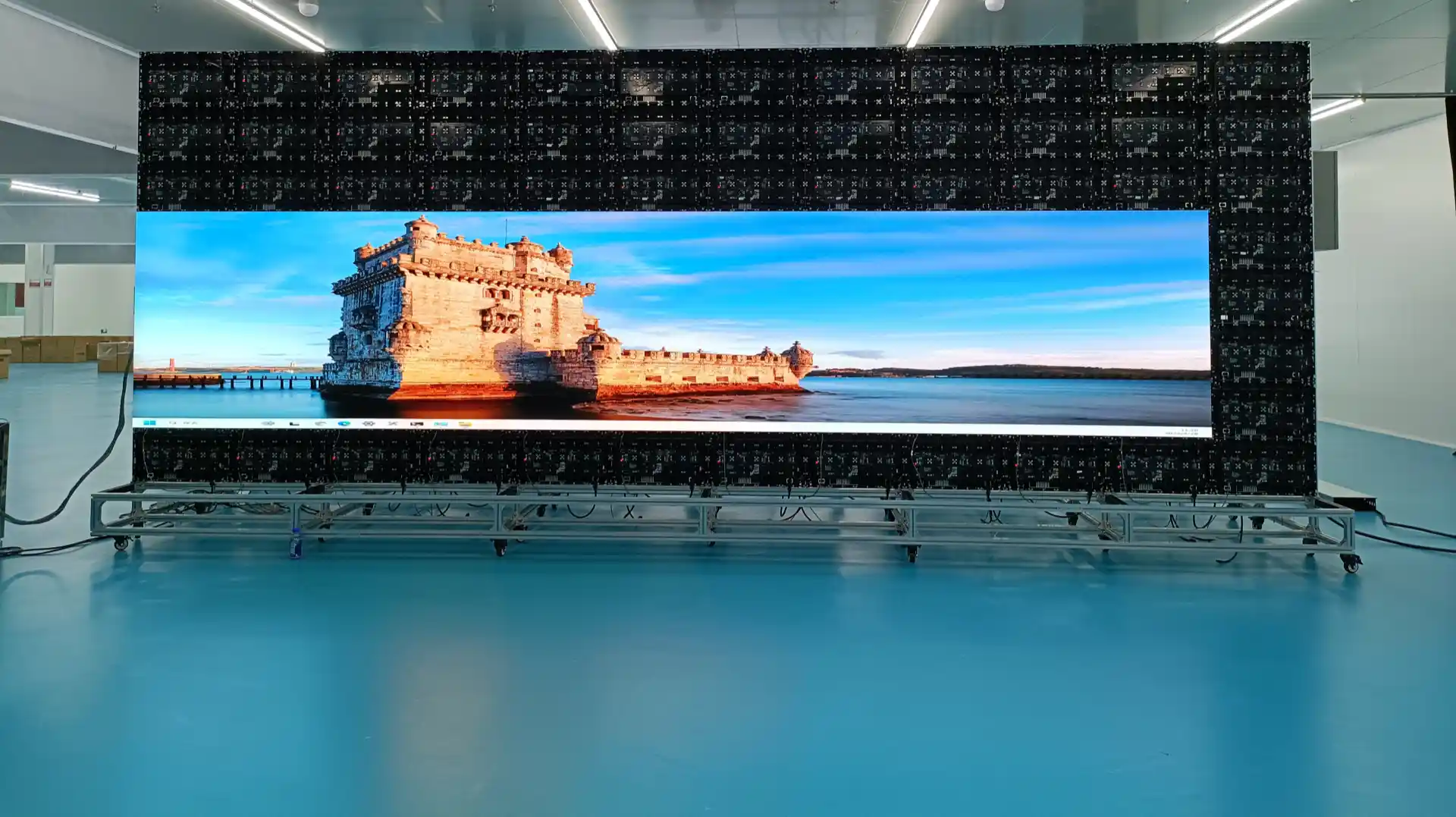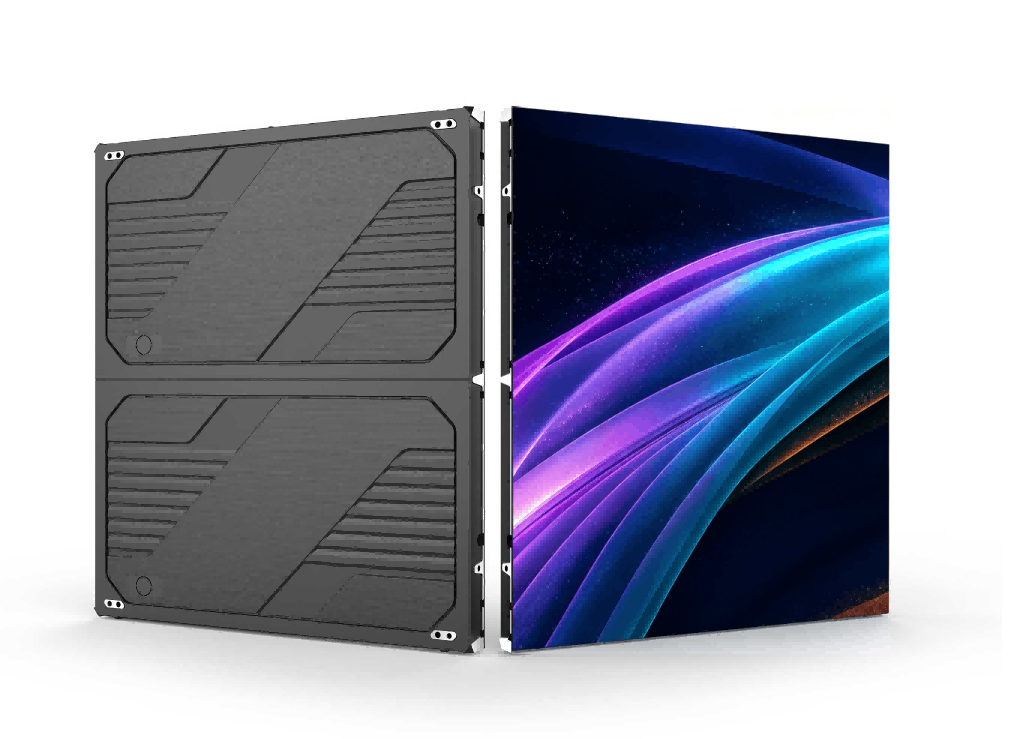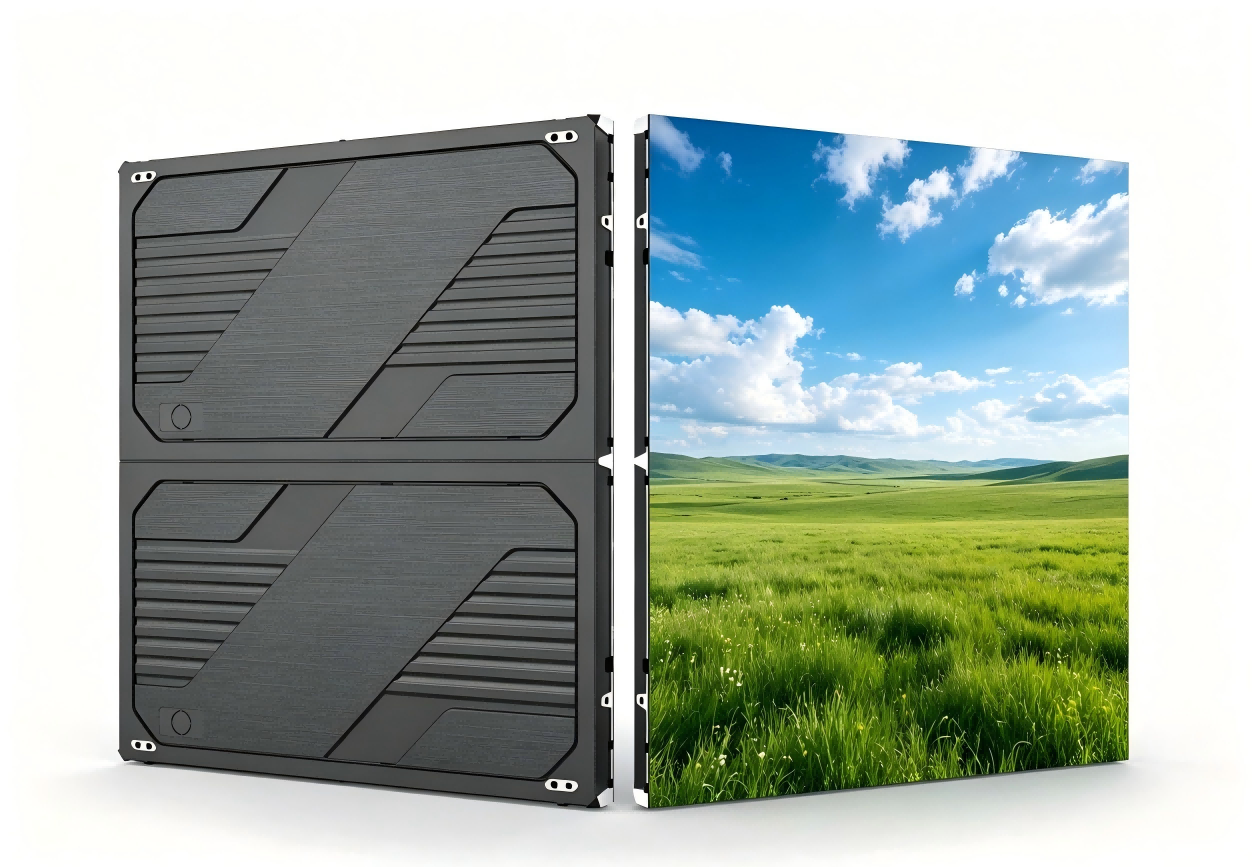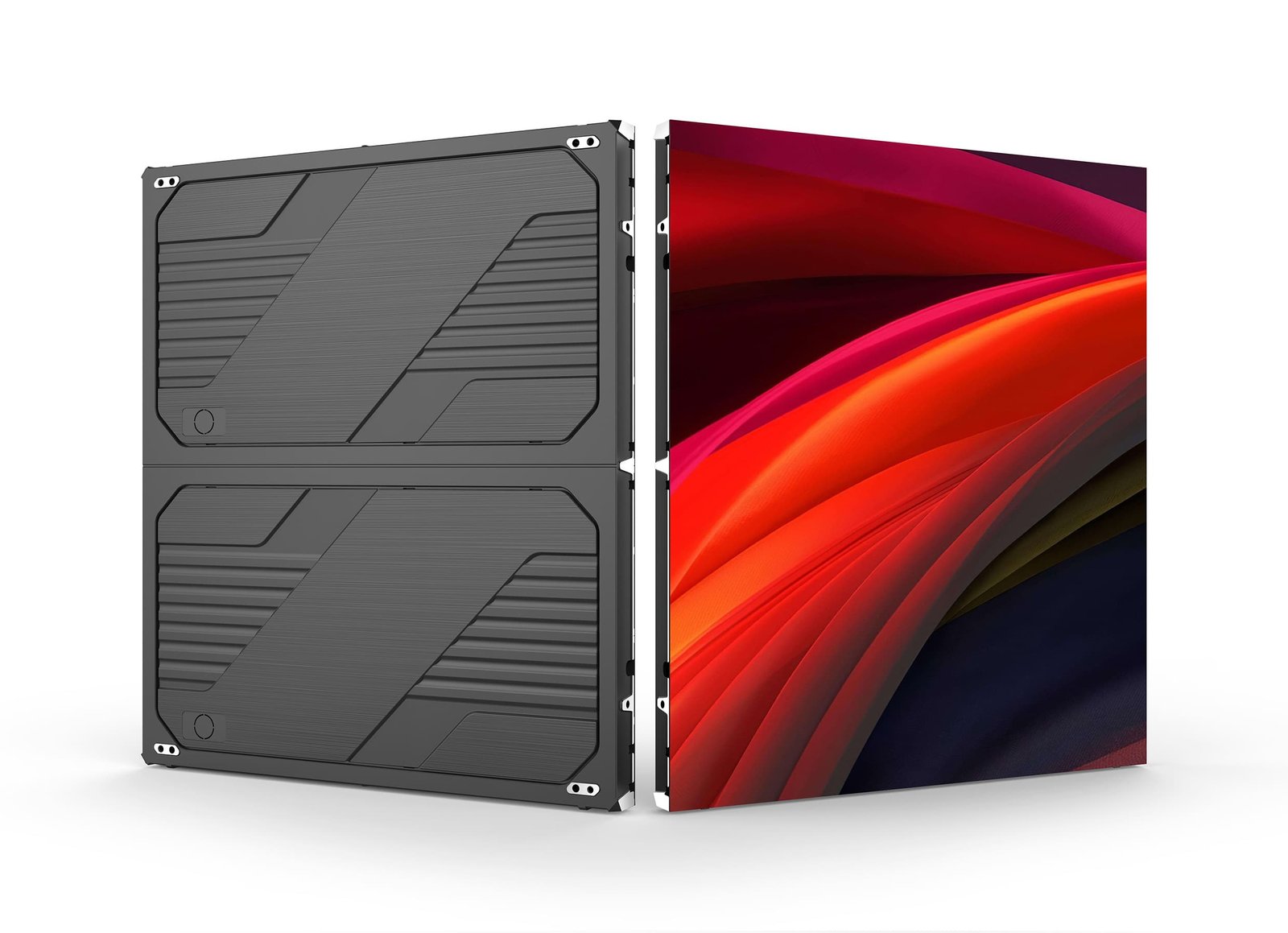
What is COB LED Technology? The Complete Guide to COB LED Displays
Discover how Chip on Board (COB) LED technology is revolutionizing the display industry with superior pixel pitch, unmatched reliability, and breathtaking visual quality.
Updated January 2025 • 12 min read • LED Display Technology Guide
Table of Contents
- Introduction: The COB LED Revolution
- What is COB LED Technology?
- How Does COB LED Technology Work?
- COB vs SMD vs DIP: LED Packaging Compared
- 5 Key Benefits of COB LED Technology
- COB LED Display Applications
- COB LED Market Trends and Future Outlook
- How to Choose the Right COB LED Display
- Frequently Asked Questions
- Conclusion
Introduction: The COB LED Revolution
The LED display industry is undergoing a fundamental transformation. At the center of this shift is COB LED technology — an innovation that is redefining what's possible in terms of image quality, reliability, and energy efficiency for large-format displays.
While traditional Surface Mounted Device (SMD) LED displays have served the market well for years, they come with inherent limitations in pixel density, durability, and environmental protection. COB LED display technology addresses these limitations head-on by fundamentally changing how LED chips are packaged onto circuit boards, delivering tighter pixel pitches, higher resolutions, and dramatically improved reliability.
The global COB LED market is projected to grow at a compound annual growth rate (CAGR) of over 15% through 2030, driven by surging demand for high-resolution indoor displays in corporate, retail, healthcare, and entertainment sectors. Industry leaders including Sony, Samsung, and LG have already embraced COB technology in their premium display product lines.
In this comprehensive guide, you'll learn exactly what COB LED technology is, how it differs from SMD and DIP packaging, the five key benefits that make COB the future of LED displays, real-world applications, market trends, and practical advice on choosing the right COB LED display for your needs.
What is COB LED Technology?
COB LED stands for Chip on Board Light-Emitting Diode. It is an advanced LED packaging technology in which bare, unpackaged LED chips are directly mounted and bonded onto a printed circuit board (PCB). Unlike traditional LED packaging methods that encase each chip in an individual package with bonding wires, COB technology eliminates the need for individual packaging and wire bonding entirely.
Here's what makes COB fundamentally different:
In a COB LED display, red, green, and blue (RGB) LED chips are placed directly onto the PCB surface and secured with an adhesive or solder material. The chips are then covered with a layer of clear epoxy resin that serves as both protection and a light-diffusing medium. This direct-mounting approach enables a significantly higher chip density — meaning more LEDs can be placed per unit area — resulting in a flat, uniform display surface with no visible gaps between individual LED packages.
The combination of three-color (RGB) chip values allows COB LED displays to achieve a wider color gamut and reproduce true-to-life imagery with remarkable accuracy. Because the bare chips occupy less space on the board and there are no bonding wires adding height, COB enables tighter pixel pitches — the distance between the center of one pixel and the center of an adjacent pixel. Tighter pixel pitch directly translates to higher resolution and sharper images.
Key Takeaway: COB LED technology's core innovation is the elimination of individual LED packaging and bonding wires, enabling higher chip density, tighter pixel pitch, and a flat, protected display surface — all of which contribute to superior image quality and reliability.
How Does COB LED Technology Work?
To understand the advantages of COB LED technology, it helps to understand the manufacturing process. Here's how a COB LED display is produced:
Step 1: Bare Chip Preparation
The process begins with bare (unpackaged) LED semiconductor chips. These are extremely small — often just a few hundred micrometers in size — and are produced as red, green, and blue variants to enable full-color display capability.
Step 2: Die Attachment
The bare LED chips are directly bonded onto the PCB using a conductive adhesive or solder paste. Precision pick-and-place equipment positions each chip with micron-level accuracy to ensure uniform pixel spacing across the entire display surface.
Step 3: Electrical Connection (Flip-Chip Method)
In the most advanced COB implementations, flip-chip technology is used. The LED chip is "flipped" so that its electrical contacts face the PCB directly, eliminating the need for wire bonding entirely. This not only reduces manufacturing complexity but also removes a common failure point — the bonding wires themselves.
Step 4: Encapsulation
Once the chips are mounted and electrically connected, a layer of clear epoxy resin is applied over the entire assembly. This resin serves multiple critical functions:
- Physical protection: Shields the delicate chips from impact, vibration, and collision
- Moisture barrier: Prevents water and humidity from reaching the chips
- Dust seal: Creates an airtight barrier against particulate contamination
- Light diffusion: Provides a smooth, uniform light output surface
This multi-layer protection is what gives COB LED displays their industry-leading IP54 rating — protection against dust ingress and water splashes from any direction. By comparison, traditional SMD displays typically achieve only IP20 or IP30, leaving them far more vulnerable to environmental damage.
COB vs SMD vs DIP: LED Packaging Technologies Compared
Before the emergence of COB LED technology, display devices relied primarily on two LED packaging processes: SMD (Surface Mounted Device) and DIP (Dual In-line Package). Understanding the differences between these three technologies is essential for making informed display purchasing decisions.
| Feature | DIP LED | SMD LED | COB LED |
|---|---|---|---|
| Mounting Method | Through-hole with pins | Surface mount with bonding wires | Direct bare chip bonding to PCB |
| Chip Size | Largest (3mm+) | Medium (0.5mm+) | Smallest (down to a few micrometers) |
| Pixel Pitch | Coarse (>3mm) | Medium (1.0mm – 3mm) | Fine (0.4mm – 1.5mm) |
| Resolution Potential | Low | Medium to High | Up to 4K and beyond |
| Bonding Wires | Yes | Yes | No (flip-chip eliminates wires) |
| IP Rating | IP20 – IP30 | IP20 – IP30 | IP54 |
| Viewing Angle | ~120° | ~140° | Up to 170° |
| Energy Efficiency | Low | Medium | High |
| Impact Resistance | Low (exposed components) | Low (surface-mounted, exposed) | High (epoxy resin protected) |
| Thermal Performance | Poor | Medium | Excellent (direct PCB heat dissipation) |
| Maintenance | Difficult | Moderate | Easy (flat surface, easy cleaning) |
| Typical Applications | Outdoor billboards | Indoor/outdoor screens | Premium indoor fine-pitch displays |
← Swipe the table to view more →
Why SMD Falls Short
SMD technology works by using bonding wires to mount LED components on the surface of the PCB. A soldering machine applies heat and pressure to create permanent connections. While this represented a major improvement over DIP, it introduces several vulnerabilities:
- Solder joint weakness: If soldering isn't perfectly controlled, connections may be too weak (leading to failure) or too strong (causing brittleness)
- Environmental exposure: Surface-mounted components are directly exposed to heat, humidity, and collision
- Size limitation: SMD is generally limited to components larger than 0.5mm, restricting pixel density
- Bonding wire fragility: The bonding wires themselves are a common point of failure
COB technology eliminates all of these issues by bonding components directly to the circuit board using adhesive and covering them with protective epoxy resin. The result is a more robust, reliable connection that's far less susceptible to environmental damage and manufacturing defects.
5 Key Benefits of COB LED Technology
Now that we understand how COB LED technology works and how it compares to alternatives, let's explore the tangible benefits that make it the preferred choice for premium display applications.
1 Superior Pixel Pitch and Resolution
Pixel pitch — the distance between pixel centers — is the single most important factor in display resolution. COB LED technology delivers the tightest pixel pitches in the industry, ranging from 0.4mm to 1.5mm. This translates to pixel densities that enable resolutions up to 4K and beyond on large-format displays.
The improvement is most noticeable when viewing a display up close. A smaller pixel pitch means higher pixel density, which reduces the minimum viewing distance — viewers can stand just a few feet from a COB LED display without noticing individual pixels. This is critical for applications like conference rooms, control centers, and retail environments where viewers are in close proximity to the screen.
2 Enhanced Reliability and Durability
COB LED displays are engineered for long-term reliability. The elimination of bonding wires removes a major failure point, while the epoxy resin encapsulation provides comprehensive protection against:
- Water and moisture: IP54 rating vs. IP20/IP30 for SMD
- Dust ingress: Complete sealing prevents particulate contamination
- Physical impact: Anti-collision properties protect against accidental damage
- Thermal stress: Direct PCB bonding provides superior heat dissipation
This translates to better thermal performance, easier maintenance, and ultimately, peace of mind. COB LED displays typically last 80,000 to 100,000 hours under normal operating conditions — significantly longer than their SMD counterparts.
3 Exceptional Energy Efficiency
LED technology is inherently more energy-efficient than alternatives like LCD, but COB takes this efficiency even further. The direct chip-to-PCB bonding reduces electrical resistance and eliminates the energy loss associated with bonding wires and individual packaging. For large-format displays that operate continuously — sometimes 24/7 for months or years — this energy efficiency translates to significant cost savings over the display's lifetime.
COB LED displays consume approximately 20-30% less power than equivalent SMD displays, making them not only more environmentally friendly but also more economical to operate.
4 Superior Viewing Experience
COB LED technology delivers an unmatched visual experience through several complementary advantages:
- Wider viewing angles: Up to 170 degrees both horizontally and vertically, ensuring consistent image quality from virtually any position in the room
- Higher contrast ratio: The flat, uniform surface and reduced light leakage produce deeper blacks and brighter highlights
- Smoother surface: No protruding LED packages means no glare or reflection artifacts
- 4K resolution capability: Critical for applications requiring detailed, intricate visuals
This combination makes COB LED displays ideal for environments with abundant natural light, such as automotive showrooms, architectural studios, hospitals, and corporate lobbies, where image quality must remain uncompromised regardless of viewing angle or ambient lighting.
5 Better Color Performance and Contrast
The COB packaging process allows for precise optical matching of LED chips, resulting in a wider color gamut and more accurate color reproduction. The epoxy resin encapsulation creates a uniform light-emitting surface that eliminates the "hot spots" and color inconsistencies common in SMD displays. Combined with higher contrast ratios, COB LED displays deliver true-to-life colors that are essential for professional applications like design studios, medical imaging, and broadcast control rooms.
The reduction in light scattering and reflection also means that images appear sharper and more vibrant, with deeper blacks and more saturated colors — even in well-lit environments.
COB LED Display Applications
The unique combination of high resolution, reliability, energy efficiency, and visual quality makes COB LED displays suitable for a wide range of professional applications:
Corporate Conference Rooms
High-resolution displays for presentations, video conferencing, and collaborative work sessions where image clarity is essential.
Command & Control Centers
24/7 operation with reliable performance, wide viewing angles for multiple operators, and detailed data visualization.
Retail & Showrooms
Eye-catching digital signage and product displays that attract customers with vibrant, high-definition content.
Education & Research
Detailed visual presentation for research institutions, engineering facilities, architecture and fine arts schools.
Healthcare Facilities
Medical imaging displays, hospital information boards, and lobby displays requiring high reliability and clarity.
Broadcasting Studios
Professional video walls and background displays for television production with accurate color reproduction.
Automotive Showrooms
High-brightness displays in naturally lit environments showcasing vehicles with stunning visual impact.
Digital Signage
Premium indoor advertising and wayfinding displays in airports, malls, and corporate buildings.
COB LED Market Trends and Future Outlook
The COB LED display market is experiencing rapid growth, driven by several converging trends:
Market Growth
The global fine-pitch LED display market, where COB technology plays a dominant role, is projected to reach over $5 billion by 2028. The transition from SMD to COB is accelerating as manufacturing costs decrease and demand for ultra-high-resolution indoor displays increases.
Convergence with Mini LED and Micro LED
COB technology is serving as a bridge between traditional LED displays and the emerging Mini LED and Micro LED technologies. As chip sizes continue to shrink, COB packaging techniques are evolving to handle increasingly smaller components, blurring the line between COB and Micro LED displays. This convergence is expected to drive pixel pitches below 0.4mm in the coming years.
Cost Reduction Through Scale
As COB manufacturing processes mature and production volumes increase, the cost premium of COB over SMD is narrowing. Industry analysts expect COB LED displays to reach price parity with SMD displays in certain pixel pitch categories within the next 2-3 years, which will dramatically accelerate market adoption.
Expanding Application Scope
Beyond traditional commercial display applications, COB LED technology is finding new use cases in virtual production stages for film and television, immersive experience venues, e-sports arenas, and smart city infrastructure. The technology's combination of high brightness, fine resolution, and reliability makes it adaptable to an ever-widening range of environments.
How to Choose the Right COB LED Display
If you're considering investing in a COB LED display, here are the key factors to evaluate:
1. Pixel Pitch Selection Guide
The pixel pitch you need depends primarily on your minimum viewing distance. Use this reference table:
| Pixel Pitch | Minimum Viewing Distance | Recommended Application | Resolution Potential |
|---|---|---|---|
| 0.4mm – 0.6mm | 0.5m – 1m | Control rooms, premium conference rooms | 4K+ on small screens |
| 0.7mm – 0.9mm | 1m – 1.5m | Conference rooms, retail displays | 4K on medium screens |
| 1.0mm – 1.2mm | 1.5m – 2.5m | Lobby displays, showrooms | Full HD to 4K |
| 1.3mm – 1.5mm | 2.5m – 4m | Large format signage, event halls | Full HD |
← Swipe the table to view more →
2. Screen Size Considerations
Determine your required display size based on the viewing space and content type. Larger screens with finer pixel pitches naturally cost more, so balance resolution needs with budget constraints. Remember that a COB LED display at 1.2mm pitch can achieve 4K resolution on a 110-inch diagonal screen.
3. Brightness Requirements
For indoor environments with controlled lighting, 300-600 nits (cd/m²) is typically sufficient. For spaces with significant natural light, such as glass-walled lobbies or showroom floors, look for displays offering 800-1,200 nits to ensure content remains visible and impactful.
4. Budget Planning
While COB LED displays command a premium over SMD alternatives, consider the total cost of ownership (TCO). COB's superior energy efficiency (20-30% lower power consumption), longer lifespan (80,000+ hours), and reduced maintenance needs often result in lower lifetime costs despite the higher initial investment.
5. Verify Key Specifications
When evaluating COB LED displays, ensure the following specifications are confirmed:
- IP rating (should be IP54 or higher for COB)
- Viewing angle (should be 170° or close to it)
- Color gamut coverage (look for 110%+ NTSC or 90%+ DCI-P3)
- Refresh rate (minimum 3,840 Hz for smooth video)
- Brightness uniformity (95% or higher)
- Color uniformity (Delta E < 1.5)
Frequently Asked Questions About COB LED Technology
What does COB stand for in LED technology?
COB stands for Chip on Board. It is an LED packaging technology where bare LED chips are directly mounted onto a printed circuit board (PCB) without individual packaging or bonding wires, enabling higher chip density and tighter pixel pitch.
Is COB LED better than SMD LED?
Yes, COB LED offers several advantages over SMD LED, including tighter pixel pitch (higher resolution), better reliability (IP54 vs IP20/IP30), higher energy efficiency, wider viewing angles (170 degrees), and superior contrast ratio. COB is particularly beneficial for fine-pitch LED displays used in indoor environments.
What pixel pitch can COB LED displays achieve?
COB LED displays can achieve pixel pitches as fine as 0.4mm to 1.2mm, enabling resolutions up to 4K and beyond. The tighter pixel pitch allows for closer viewing distances without visible pixel gaps, making COB ideal for high-resolution indoor displays.
How long do COB LED displays last?
COB LED displays typically have a lifespan of 80,000 to 100,000 hours under normal operating conditions. The direct chip bonding and epoxy resin protection reduce failure points, contributing to longer operational life compared to SMD displays.
Are COB LED displays waterproof?
COB LED displays achieve an IP54 rating, meaning they are protected against dust ingress and water splashes from any direction. This is significantly higher than SMD displays, which typically only achieve IP20 or IP30 ratings.
Can COB LED displays achieve 4K resolution?
Yes, COB LED displays can achieve 4K resolution and even higher. The high chip density and tight pixel pitch of COB technology enable ultra-high-definition displays, making them suitable for applications requiring detailed and intricate visuals.
What is the viewing angle of COB LED displays?
COB LED displays offer a wide viewing angle of up to 170 degrees, both horizontally and vertically. This is broader than typical SMD displays, ensuring consistent image quality from multiple viewing positions.
What applications are COB LED displays best suited for?
COB LED displays are ideal for corporate conference rooms, command and control centers, retail showrooms, education and research institutions, healthcare facilities, broadcasting studios, digital signage, and any environment requiring high-resolution, reliable, and energy-efficient large-format displays.
Conclusion: COB LED is the Future of Display Technology
COB LED technology represents the most significant advancement in LED packaging in decades. By eliminating bonding wires, directly mounting bare chips to the PCB, and encapsulating everything in protective epoxy resin, COB delivers a quantum leap in display performance across every metric that matters:
- Pixel pitch as fine as 0.4mm for 4K+ resolution
- Reliability with IP54 protection and 100,000-hour lifespan
- Energy efficiency 20-30% better than SMD
- Viewing experience with 170° angles and superior contrast
- Color performance with wider gamut and true-to-life reproduction
As manufacturing costs continue to decrease and pixel pitches push even finer, COB LED is positioned to become the dominant technology for premium indoor displays. Whether you're outfitting a conference room, building a control center, or creating an immersive retail experience, COB LED display technology offers the performance, reliability, and visual quality to meet your needs.
Ready to Experience COB LED Display Technology?
Explore our range of COB LED display solutions and find the perfect fit for your application. Our experts are ready to help you select the right pixel pitch, size, and configuration.
Explore COB LED Displays →