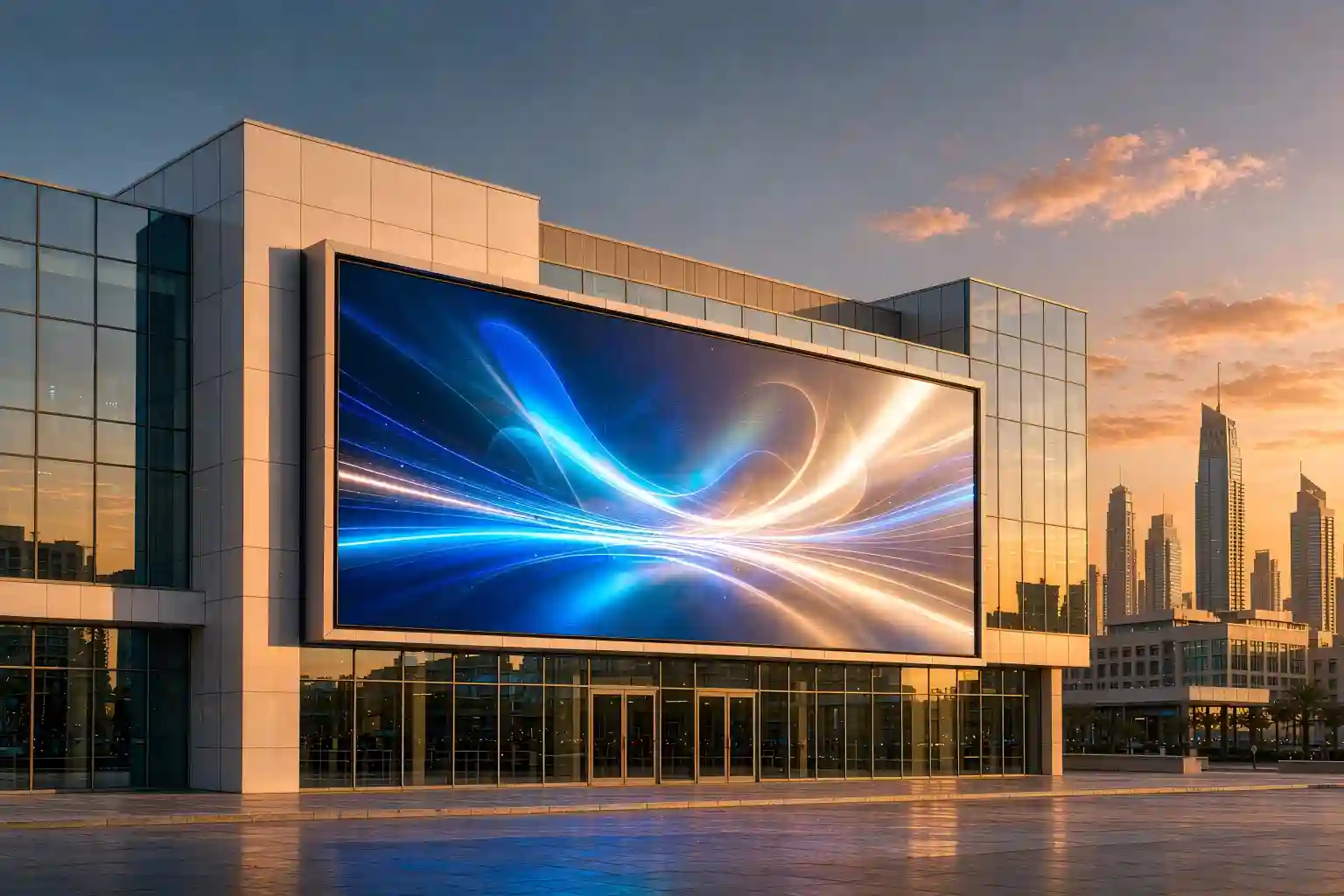
Front vs Rear Maintenance Outdoor LED Screen: Which Is Right for Your Project?
Every hour of downtime costs money. Choosing the right maintenance access for your outdoor LED display or COB LED video wall can cut repair time by 80% and save thousands over the product lifetime.
Quick Answer
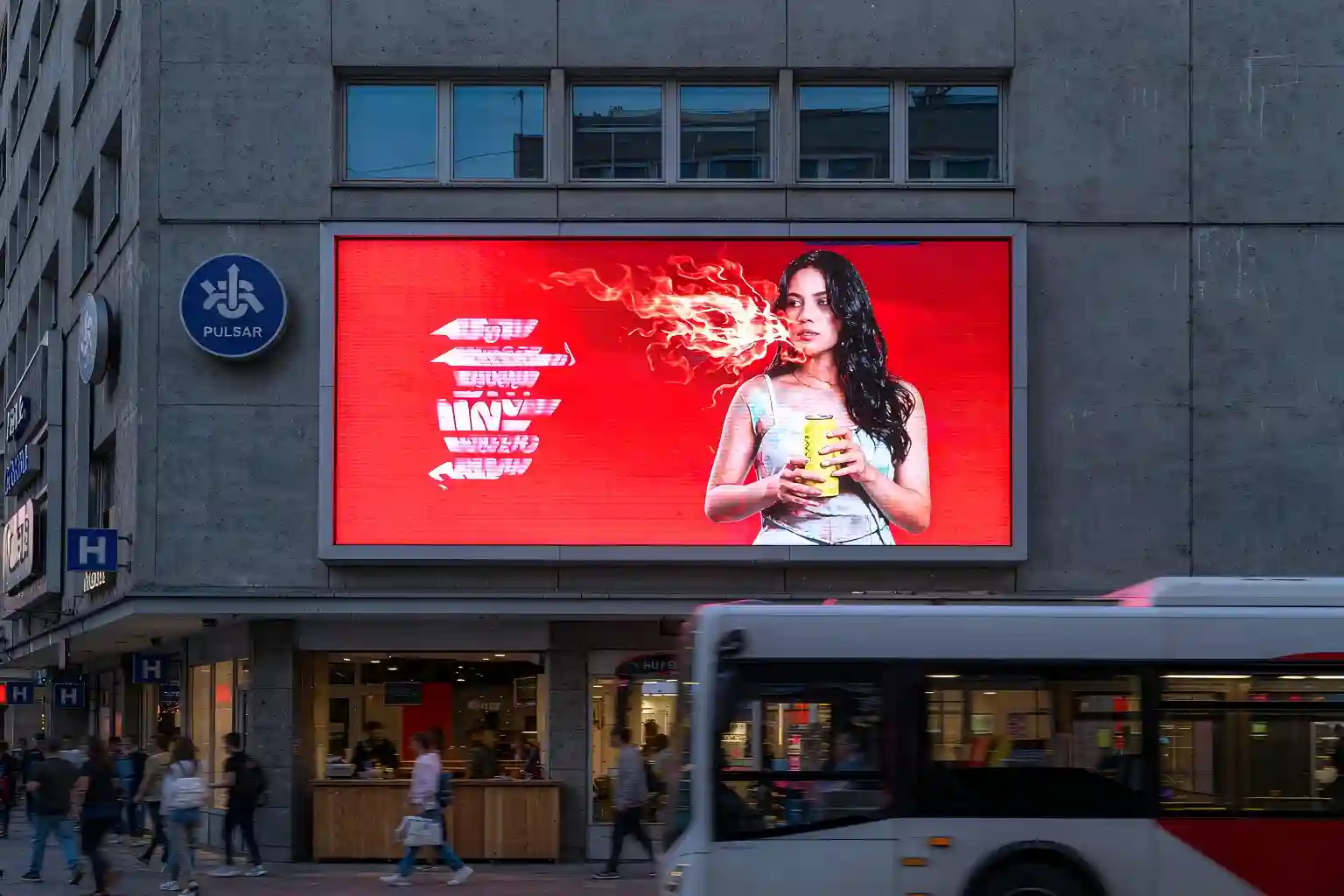
Front maintenance = modules pulled from the front, ideal for wall-mounted and space-limited installations. Rear maintenance = accessed from behind, best for freestanding structures with rear walkway access. For most modern outdoor projects, especially using COB LED display technology, front maintenance is the preferred choice for its space efficiency and faster service.
1. Why Maintenance Access Matters More Than You Think
An outdoor LED screen is not a "set it and forget it" purchase. Over a 5 to 10 year lifespan, you will face module failures, power supply issues, and receiving card replacements. The question is not if you will need maintenance, but how fast you can complete it.
Outdoor LED screens operate 24/7 in harsh conditions — maintenance access directly impacts your total cost of ownership.
Consider these real-world numbers:
These numbers explain why smart integrators and advertisers treat maintenance design as a financial decision, not just a technical one.
2. What Exactly Are Front and Rear Maintenance?
Front Maintenance LED Display
In a front maintenance design, each LED module can be unlocked and pulled out from the front face of the screen. Technicians use a special suction tool or magnetic release to remove the module, then service the power supply, receiving card, or LED module itself from the front side.
Key Advantage
No rear access space required. The screen can be mounted flush against a wall, on a building facade, or in any tight location. This is why front maintenance dominates modern COB LED display installations.
Rear Maintenance LED Screen
Rear maintenance requires technicians to access the back of the LED cabinet. Modules, power supplies, and control cards are removed from the rear side. This design typically needs a maintenance walkway of at least 60-80cm behind the screen structure.
Key Limitation
You must allocate rear space in your structural design. If the screen is on a building facade or a wall without a back corridor, rear maintenance becomes impractical or requires expensive scaffolding every time.
3. Side-by-Side Comparison: Front vs Rear Maintenance
| Feature | Front Maintenance | Rear Maintenance |
|---|---|---|
| Access Direction | From the front face | From the back side |
| Rear Space Required | None | 60-80cm minimum |
| Repair Speed | Fast (1-2 hours) | Slower (4-8 hours) |
| Installation Type | Wall-mounted, facade, tight spaces | Freestanding, double-sided, stadium |
| Module Cost | Slightly higher (magnetic/lock mechanism) | Lower (standard screw fixation) |
| COB LED Display Compatibility | Excellent — industry standard | Available but less common |
| Weather Sealing Risk | Front gasket must be properly re-sealed | Rear cabinet naturally protected |
| Best Pixel Pitch | P2.5 to P10 (fine to medium) | P5 to P16 (medium to large) |
4. How COB LED Display Technology Changes the Equation
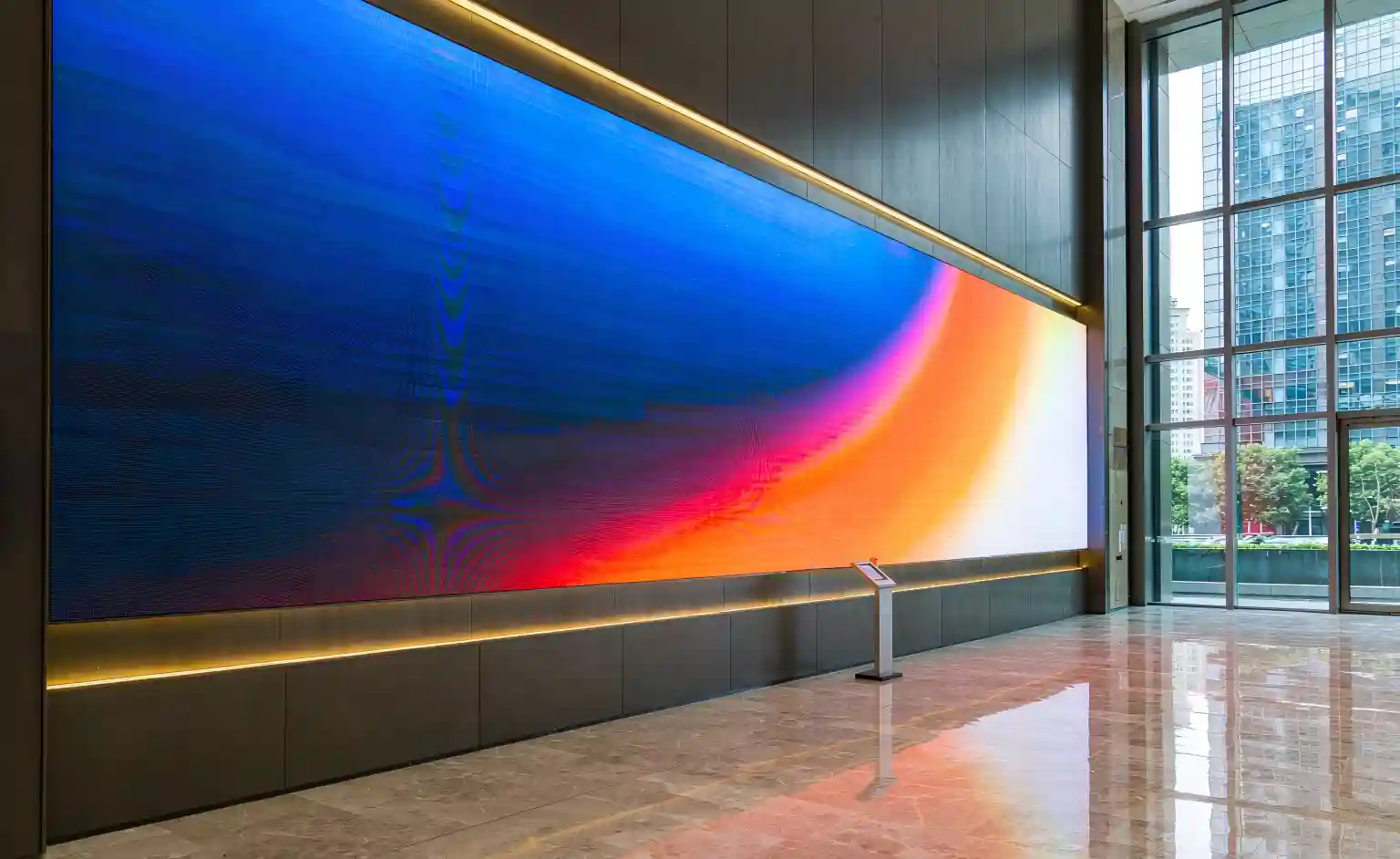
COB (Chip on Board) LED display technology has revolutionized outdoor screens. Unlike traditional SMD (Surface Mount Device) where each LED is a separate packaged component, COB mounts the bare LED chips directly onto the PCB, then encapsulates them with a uniform phosphor layer.

COB LED display technology delivers superior contrast, durability, and viewing angles compared to traditional SMD.
For outdoor applications, COB LED display technology pairs naturally with front maintenance designs. The seamless front surface means no individual LED domes to damage during module extraction, and the robust encapsulation withstands repeated front-side service operations.
5. Best Applications for Each Maintenance Type
Front Maintenance: Ideal Scenarios
- Building facades and wall-mounted screens — no rear structure possible
- Shopping mall exterior walls — flush mounting against concrete
- Single-pole roadside billboards — rear access would require climbing
- Airport and railway station displays — space is premium, downtime is costly
- COB LED display fine-pitch outdoor screens — P2.5 to P5 where pixel density matters
Rear Maintenance: Ideal Scenarios
- Stadium perimeter and scoreboard displays — dedicated maintenance catwalks
- Double-sided billboards — central walkway between two screen faces
- Large freestanding LED structures — internal service room built into the design
- Concert and event rental screens — ground-supported with rear access from behind
- Large pixel pitch screens (P8+) — where traditional SMD modules keep costs down
6. Step-by-Step Selection Guide
Use this decision framework to choose the right maintenance type for your outdoor LED screen project:
7. Cost Considerations: Upfront vs Long-Term
The purchase price is only part of the equation. Here is how the costs break down:
Key Takeaway
While rear maintenance screens have a lower upfront purchase price (about 10-15% less), the higher service labor costs, scaffolding expenses, and revenue loss during longer downtime make front maintenance the more economical choice over a 5-year period for most commercial applications.
8. Frequently Asked Questions
Ready to Spec Your Outdoor LED Screen?
Get a free consultation and custom quote for your outdoor COB LED display project. Our engineers will recommend the optimal maintenance type, pixel pitch, and configuration for your specific location and budget.
Get Free Quote Now